Protect Your Shoreline With An Itasca Waters Shoreland Advisor
Learn MorePractical Water Wisdom:
A Virtual Learning Series
1st Thursdays at 12:00 - 1:00
January through December 2026
Would you like to leave a legacy of clean water for future generations?
Have you ever wondered about the safety of your drinking water or the quality of the lakes you love to swim in, fish in, or boat on?
If either of those are true, then this series is for you!
January 8, 2026 - Traditional Ecological Knowledge and Lake Management
 Presented by: Shane Bowe, Water Resource Director for the Red Lake Nation Department of Natural Resources, began working as an Aquatic Biologist for the Red Lake Nation Department of Natural Resources in 2006. In his time at Red Lake, he has worked on projects ranging from shallow lake research, to water quality monitoring and paleolimnology, to numerous nonpoint source pollution reduction projects including dam removal and stream restoration. As a nonmember managing lakes on a closed reservation, Shane has a unique perspective regarding Traditional Ecological Knowledge and the interplay between resource management and local culture and traditions.
Topic Summary: Over the past two decades, we’ve learned that the most effective way to incorporate tribal community needs and Traditional Ecological Knowledge (TEK) into our lake management work is to support and empower tribal members to manage their own natural resources. Our approach has evolved to focus on increasing tribal representation within resource management roles. Recent initiatives include strengthened outreach to Red Lake Nation College, a tiered mentorship program, and, most recently, the development of an apprenticeship program designed to build long-term capacity within tribal communities. 
January 29, 2026 (rescheduled from Oct 2025)- When the Forest Burns, What's in the Water?
 Presented By: Sarah Elliott is a hydrologist with the U.S. Geological Survey Upper Midwest Water Science Center that leads and supports research on various topics. A majority of Sarah’s research the last decade has focused on topics related to the presence of contaminants of emerging concern in aquatic environments and ecological implications. Other areas of research include urban stormwater runoff and treatment, implications of geologically derived contaminants in groundwater, and effects of wildfire on water quality, including a focus on critical drivers of post-wildfire water quality.
Topic Summary: Wildfires are becoming more frequent and severe worldwide, leading to significant physical and chemical changes in aquatic ecosystems within affected watersheds. These changes can impact both public water supplies and ecosystem health. In the U.S., research has mainly focused on the wildfire-prone West, where surface waters are a major source of drinking water. Despite growing knowledge, key gaps remain in understanding what drives water quality changes after wildfires. This presentation reviews the current science on post-wildfire water quality and offers recommendations for addressing these knowledge gaps. 
February 5, 2026: What Lakes Do in Winter
 Presented By: Ted Ozersky is an Associate Professor of Biological Limnology at the Large Lakes Observatory and the Department of Biology at the University of Minnesota Duluth. Over the past decade, he has become increasingly fascinated by what lakes and the organisms that inhabit them do during periods of snow and ice cover. His research spans ice-covered lakes around the world, examining relationships among water quality, winter severity, and oxygen, nutrient, and biological dynamics.
Topic Summary: For many years, lake researchers focused mostly on open-water seasons, leaving the ice-covered months relatively understudied. Today, growing concern about rapidly changing winter conditions has led to a surge of interest in lake winter ecology. In this presentation, Dr. Ozersky will explore what scientists are discovering about the physics, chemistry, and biology of lakes during winter—and what these shifting winter patterns could mean for lake health and the vital ecosystem services lakes provide.
February 19, 2026: Minnesota Lakes Thaw Tracker
.jpg) Presented by: Dr. John Downing, Director of the Sea Grant College Program, a research scientist at the Large Lakes Observatory on Lake Superior, and a professor in the Department of Biology at the University of Minnesota, Duluth.
Presented by: Dr. John Downing, Director of the Sea Grant College Program, a research scientist at the Large Lakes Observatory on Lake Superior, and a professor in the Department of Biology at the University of Minnesota, Duluth.
Topic Summary: John Downing of Minnesota Sea Grant will present his 2026 lakes thaw forecasts and show you how you can win your pool predicting the date of 2026 first open water for your favorite lake. Minnesota Sea Grant’s Lakes Thaw Tracker yielded accurate ice-out forecasts for 2024 and 2025. This year, the models are improved by new data and analyses. John will also talk about predicting when lakes will freeze over and how thick the ice-cover will be.Tune in so you can plan when to stay off the lake and when to put the boat in the water.
March 5, 2026: Strategies for Recreational Watercraft Governance
Presented By:
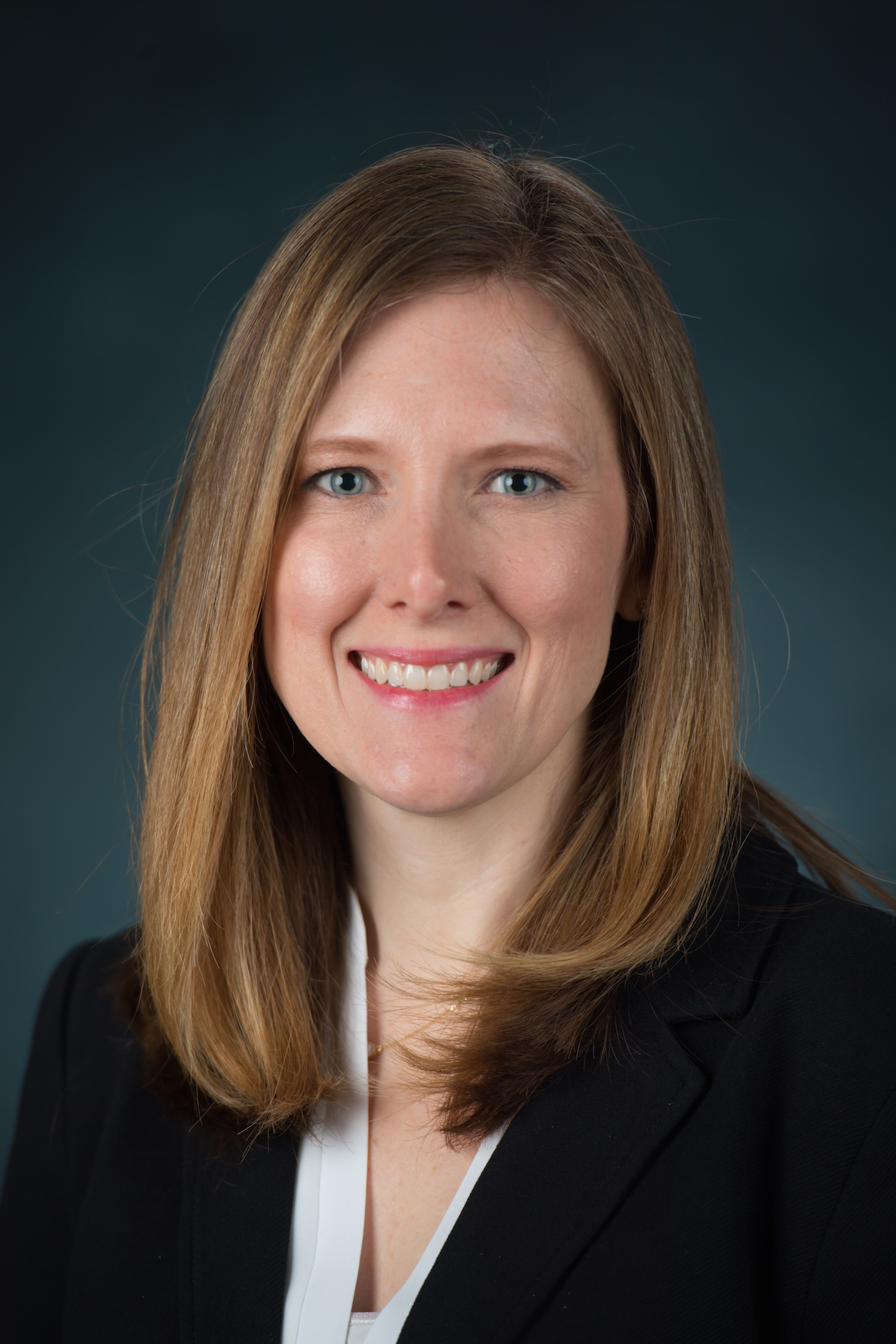 Terra Bowling is Research Counsel II at the National Sea Grant Law Center, where she is editor of The SandBar, a quarterly publication reporting on legal issues affecting U.S. oceans and coasts, and the Ocean and Coastal Case Alert, a monthly newsletter highlighting recent court decisions impacting ocean and coastal resource management. She provides legal research and outreach for the wider Sea Grant network on ocean, coastal, and natural resources legal issues.
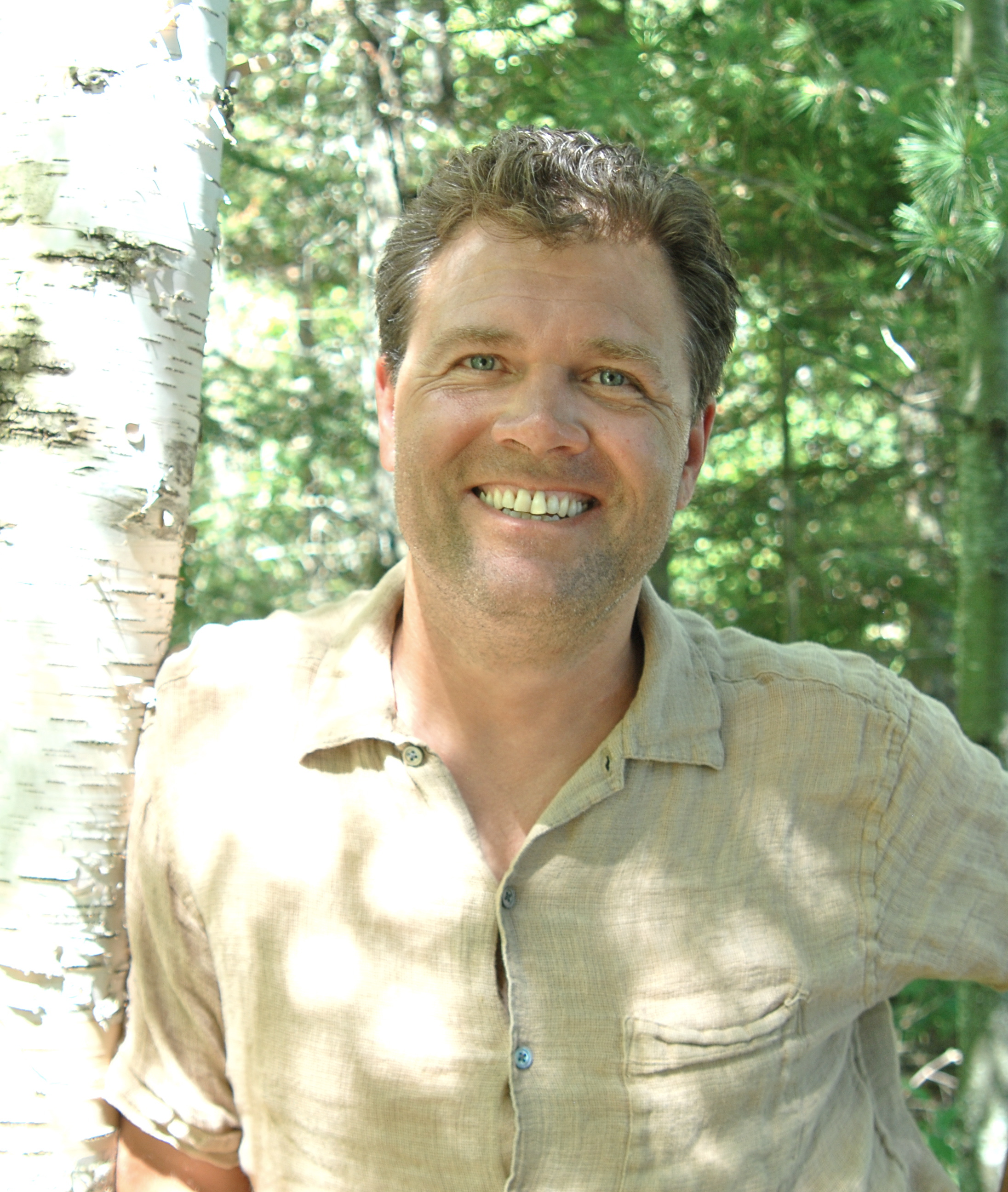 Jeff Forester is the longtime Executive Director of Minnesota Lakes and Rivers (MLR), where he has led efforts for more than two decades to protect Minnesota’s lakes and rivers through citizen engagement and strong partnerships with policymakers. A Hubert Humphrey Public Policy Fellow and Shannon Leadership Fellow, Jeff is the author of Forest for the Trees: How Humans Shaped the Northwoods and an Emmy-winning associate producer of TRANSPLANT, A Gift for Life. He lives in Minneapolis and spends as much time as possible at family land on Lake Vermilion near the Boundary Waters.
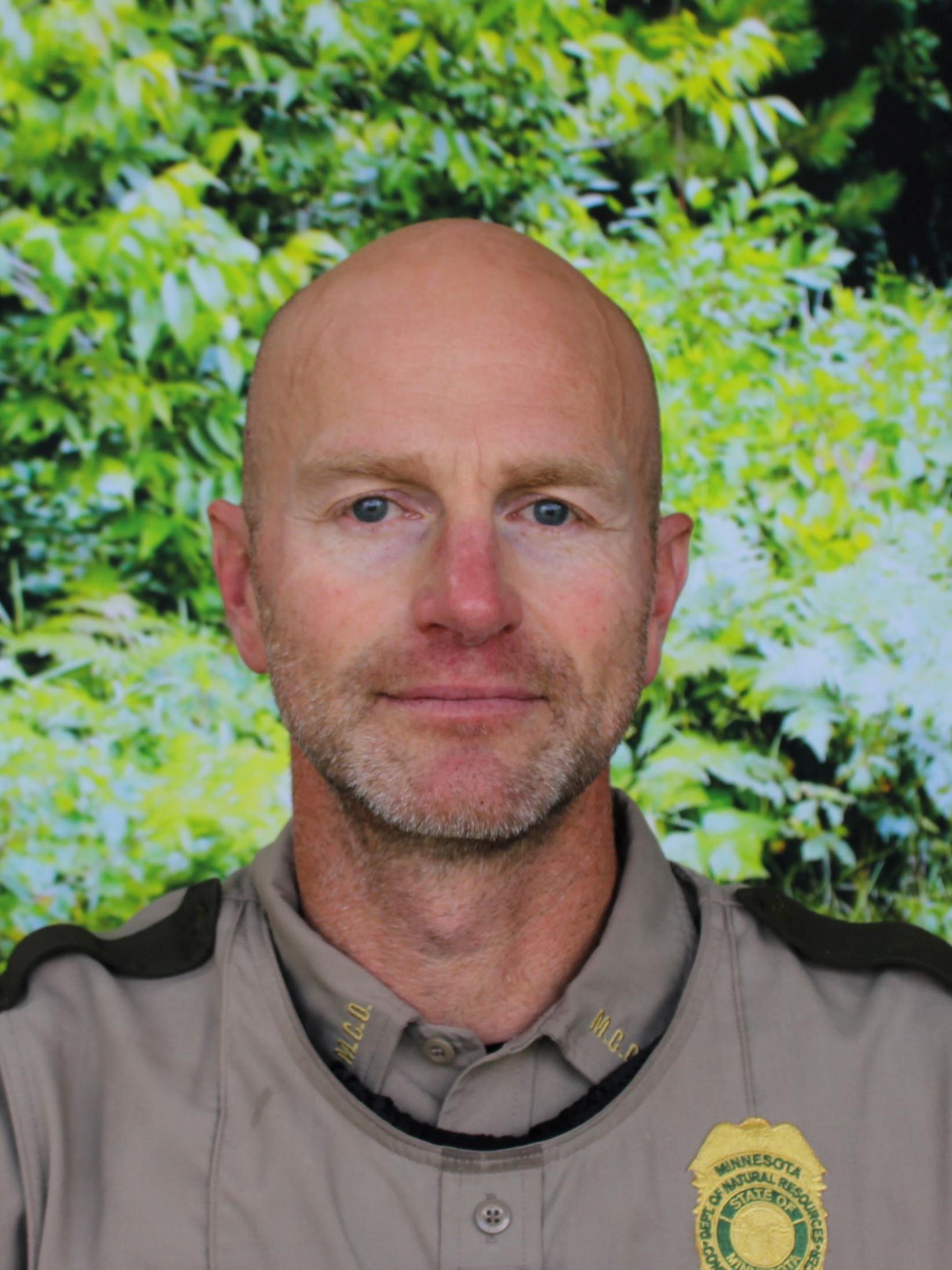 Matt Miller has served as a Conservation Officer for the Minnesota DNR Enforcement Division since 2007, and has a combined total of 24 years in law enforcement. As a CO, he spent 14 years on the Division’s previous Lake Superior Marine Unit, and is now the Duluth-area officer assigned to the statewide Marine Unit. His areas of focus include watercraft operation enforcement and education, ice rescue, sonar and ROV work for drowning recoveries, and commercial/charter enforcement on Minnesota’s waters of Lake Superior.
Topic Summary: Join us for a practical webinar exploring why and how boat traffic is legally managed on lakes and rivers—and what that means for communities, recreation, and water protection. A panel featuring a water- and coastal-law attorney, a boat-traffic enforcement officer, and the director of a public-interest organization that helps people navigate lake and river issues will explain the legal foundations for restrictions, real-world safety and enforcement considerations, and how communities can balance recreation, property rights, and environmental protection. Ideal for lake residents, local officials, lake associations, and anyone interested in fair, effective watercraft management.
April 2, 2026: Waterbird Biology, Ecology and Conservation
 Presented by: Annie Bracey has worked as an Avian Ecologist at the University of Minnesota’s Natural Resources Research Institute for over 15 years. Much of Annie’s research focuses on monitoring and management of wetland birds and waterbirds in Minnesota and throughout the Great Lakes region. Her research focuses on documenting movement to identify risk, including exposure to contaminants, and uses mark-recapture techniques to assess population dynamics for species of concern. Annie has a Ph.D. in Conservation Biology from the University of Minnesota, where her research focused on conservation and management issues related to inland breeding Common Terns. Annie’s broad interest is documenting how human activities influence bird populations and how research that integrates ecology, biology, and conservation sciences can be used to better inform management decisions.
Topic Summary:This session will explore the ecology of waterbirds, how scientists monitor them, and why long-term tracking is essential. It will highlight what waterbirds can reveal about the health of our environment, with a special focus on several tern species. The presentation will also show why large-scale collaboration is crucial for understanding and protecting these populations.
May 7, 2026: Ecology, Disease Prevention, and Control of Floodwater Mosquitoes
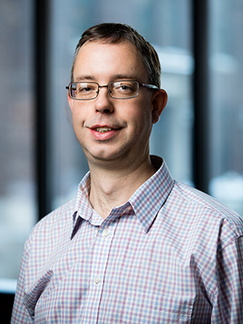 Presented by: Dr. Jon Oliver is a public health entomologist at the University of Minnesota School of Public Health. His research and teaching focus on surveillance of disease transmitting arthropods like mosquitoes and ticks and examining how disease-causing microorganisms are transmitted. He is also interested in how wildlife contribute to disease transmission cycles that may impact humans. Back when he had more free time, Jon spent a lot of it camping and hiking.
Topic Summary: Floodwater mosquitoes are abundant in the summer in Northern Minnesota and can ruin a camping trip and transmit dangerous diseases. This presentation will describe the sorts of environments where these mosquitoes thrive, habitat controls that homeowners can undertake to reduce the number of mosquitoes on their properties, and measures that Minnesotans can take to reduce disease transmission risks while enjoying the great outdoors.
June 4, 2026: Potential Impact of Fireworks on Lakes and Other Waters
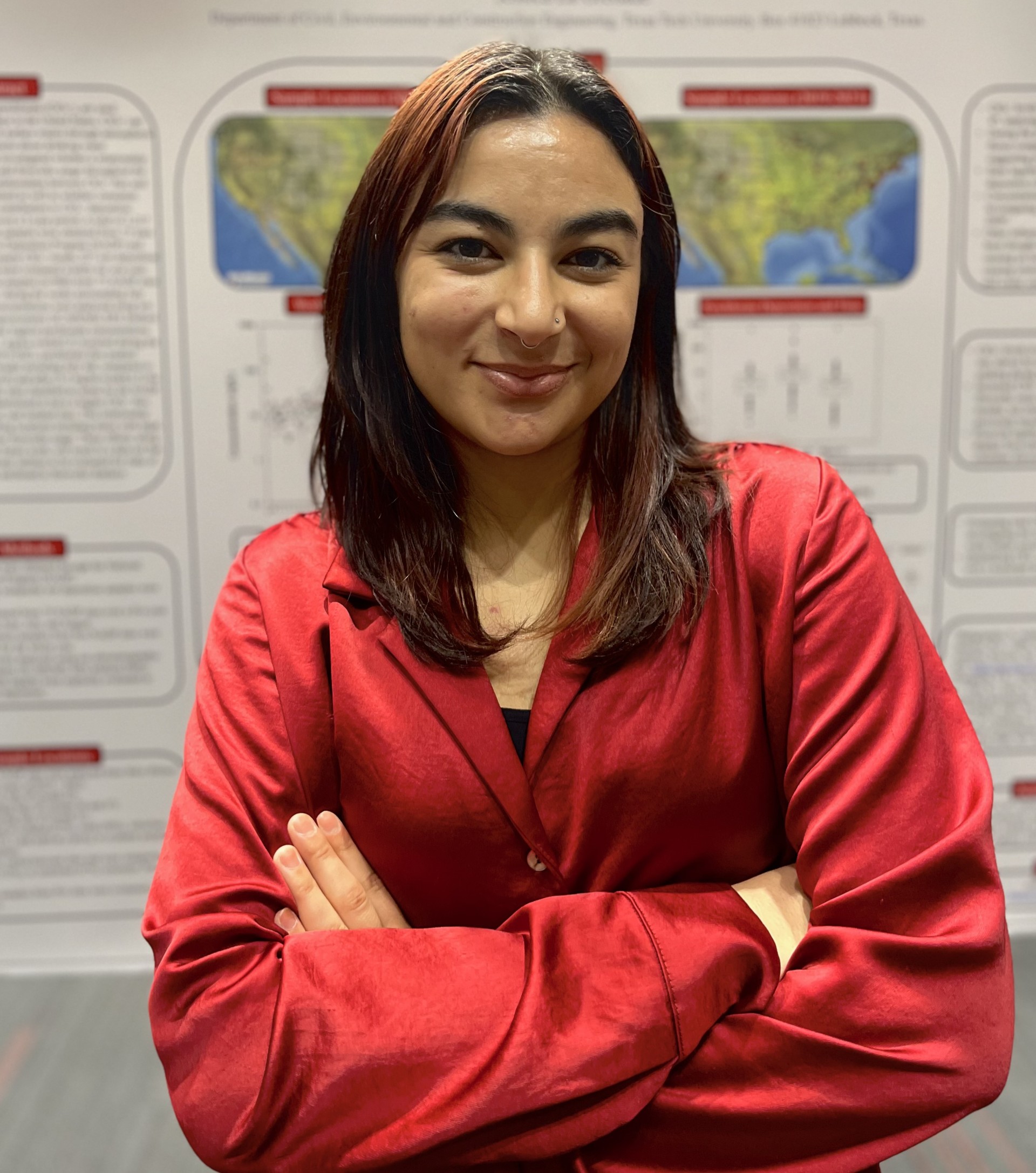 Presented by: Jessica La Grenade is a Research Assistant and PhD student at Texas Tech University in the Department of Civil, Environmental, and Construction Engineering. Her current research efforts focus on the quantification of environmental contaminants in surface waters. Most of her research focuses on the impact perchlorate has on water quality as a result of fireworks use.
Topic Summary: Each year in the U.S., hundreds of millions of pounds of fireworks are used, releasing perchlorate—a key fireworks ingredient and a known drinking water contaminant—into the environment. Perchlorate can disrupt thyroid function, and studies have shown that fireworks can elevate perchlorate levels in nearby surface and groundwater.
This presentation explores how fireworks may affect drinking water sources by examining field studies, aerial deposition measurements, and national water surveys conducted before and after major fireworks events. We’ll discuss how factors such as the amount of fireworks used, waterbody size, dilution capacity, direct deposition, runoff, and natural attenuation influence perchlorate levels and potential risks to water quality.
July 9, 2026: Septic Compliance
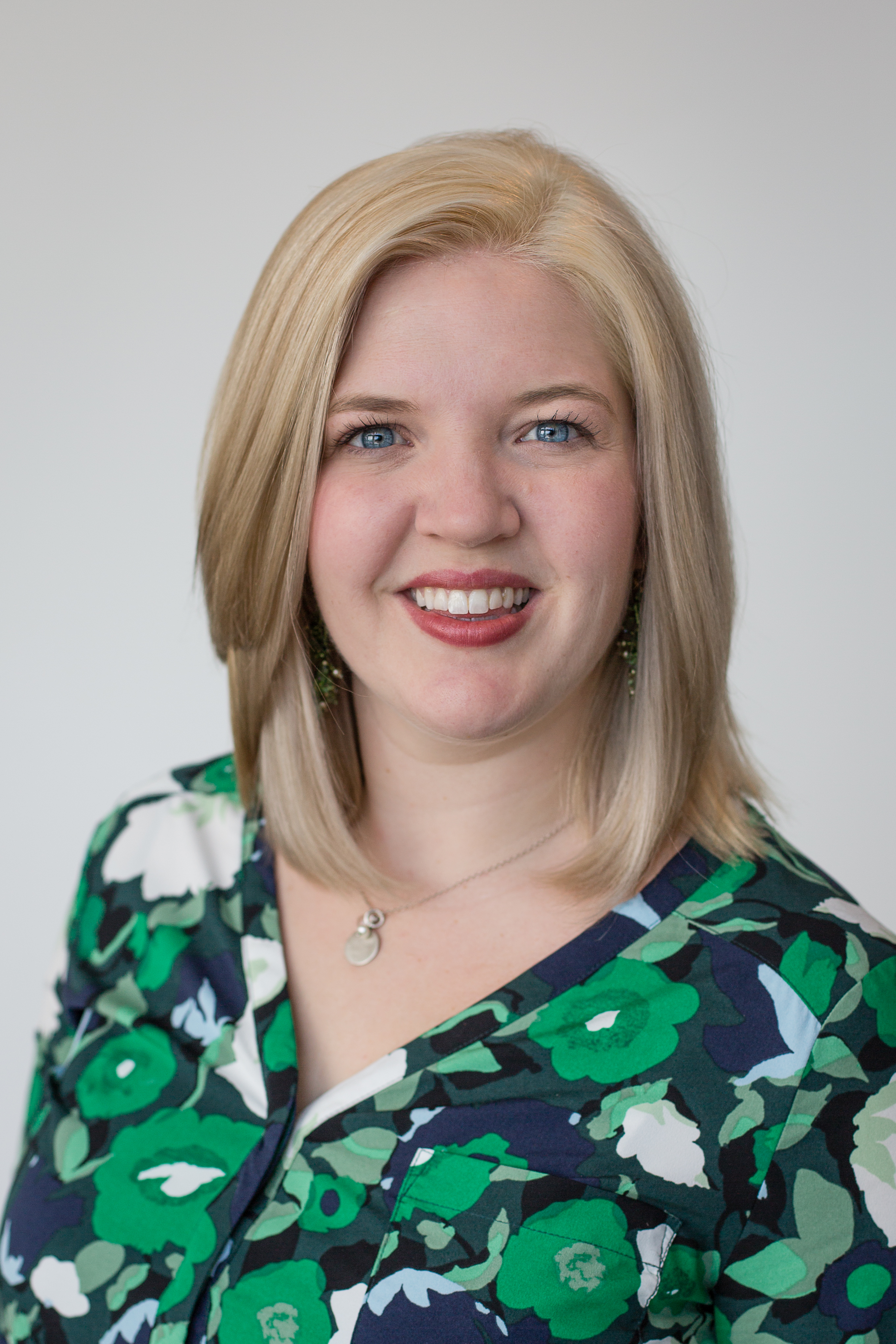 Presented by: Katie Benes, works for the residents of Itasca County as the Director of Environmental Services. As Director, her responsibilities include administering the County’s planning and zoning regulations, solid waste program, septic program, shoreland program, and more. She started with Environmental Services in 2018 and has found it to be a place where there is always something to learn.
Topic Summary: An overview of how septic systems are regulated, what standards and inspections are required, and how compliance helps protect public health, groundwater, and nearby lakes and streams.
August 6, 2026: Volunteer Conservation: What You Can and Can't Do to Your Lakeshore
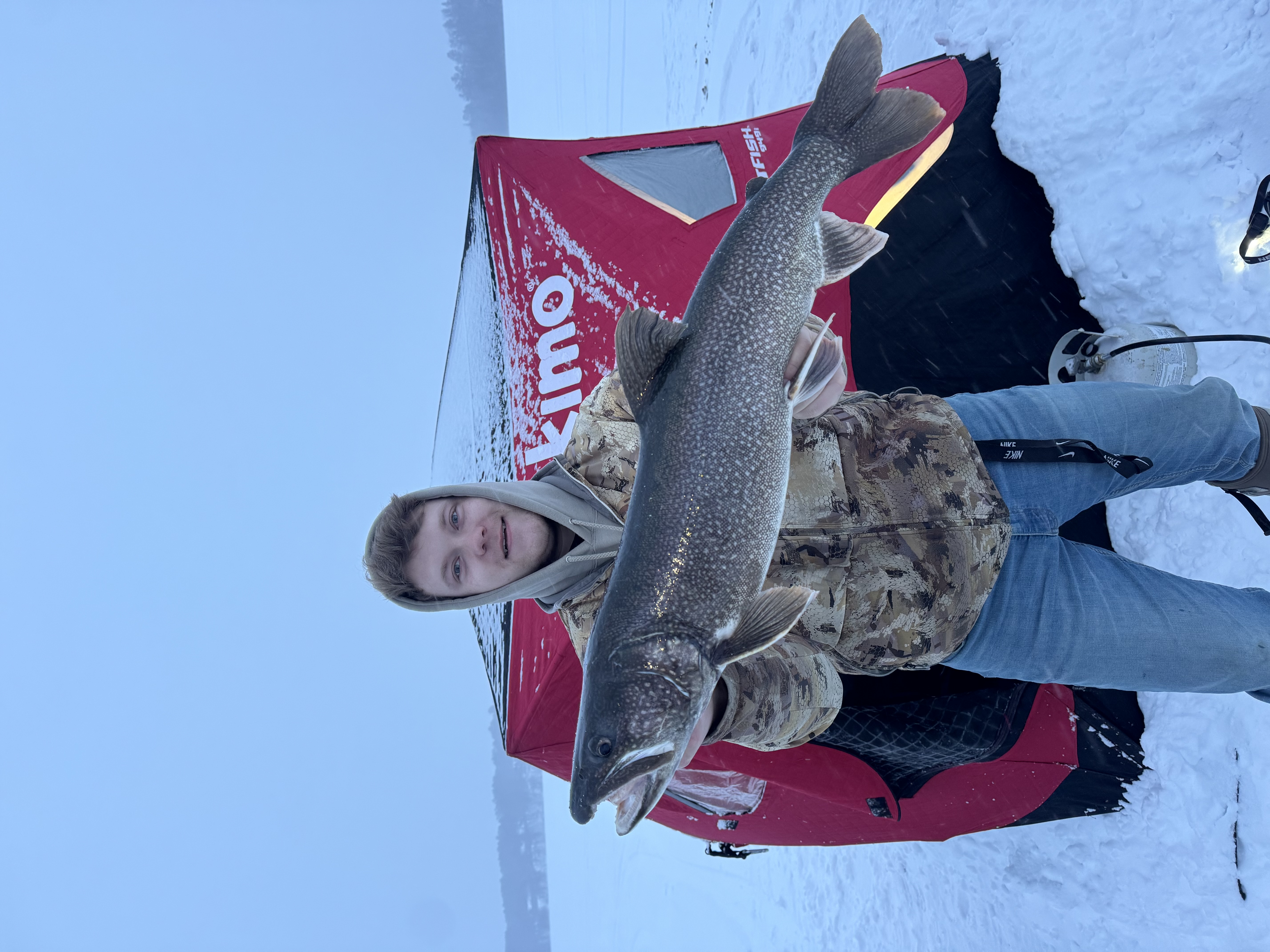 Presented by: Austin Steere, Projects Director, Itasca Soil and Water Conservation District. Austin was born and raised in Grand Rapids, Minnesota. He earned a Bachelor of Science in Wildlife Biology from Bemidji State University in 2020. Austin has worked with the Itasca Soil & Water Conservation District since 2017 and has served as Project Coordinator since May 2021. An avid duck hunter and trout fisherman, Austin is dedicated to applying his education, professional experience, and personal interests to the protection and preservation of our natural resources.
Topic Summary: Austin Steere of the Itasca Soil & Water Conservation District will discuss a variety of voluntary conservation practices that landowners can use to protect their shoreline and improve overall lake health. The presentation will also highlight agencies that can assist landowners with implementing these practices, along with an overview of related requirements.
September 10, 2026: Native Mussels
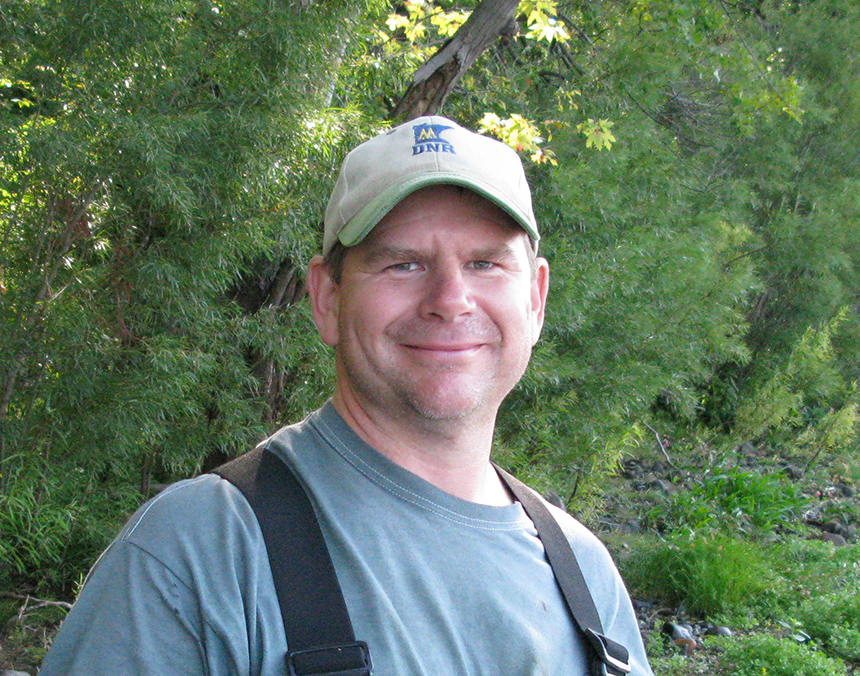 Presented by: Dr. Bernard Sietman is a malacologist with the Minnesota Department of Natural Resources’ Center for Aquatic Mollusk Programs in Lake City, where he works on native mussel conservation and recovery. His past and current projects include statewide mussel surveys, long-term monitoring, assessing mussel responses to stream restoration, and studying the life history of rare mussel species.
Topic Summary: Freshwater mussels and other bivalves are among the most overlooked yet ecologically important organisms in lakes and rivers. This talk explores their unique life cycles, their role in filtering and improving water quality, and what their presence reveals about ecosystem health. We’ll also discuss the threats they face—from habitat loss to invasive species—and why protecting native mussels is essential to sustaining clean water, biodiversity, and resilient freshwater systems.
October 1, 2026: Groundwater, Springs and Effects on Lakes
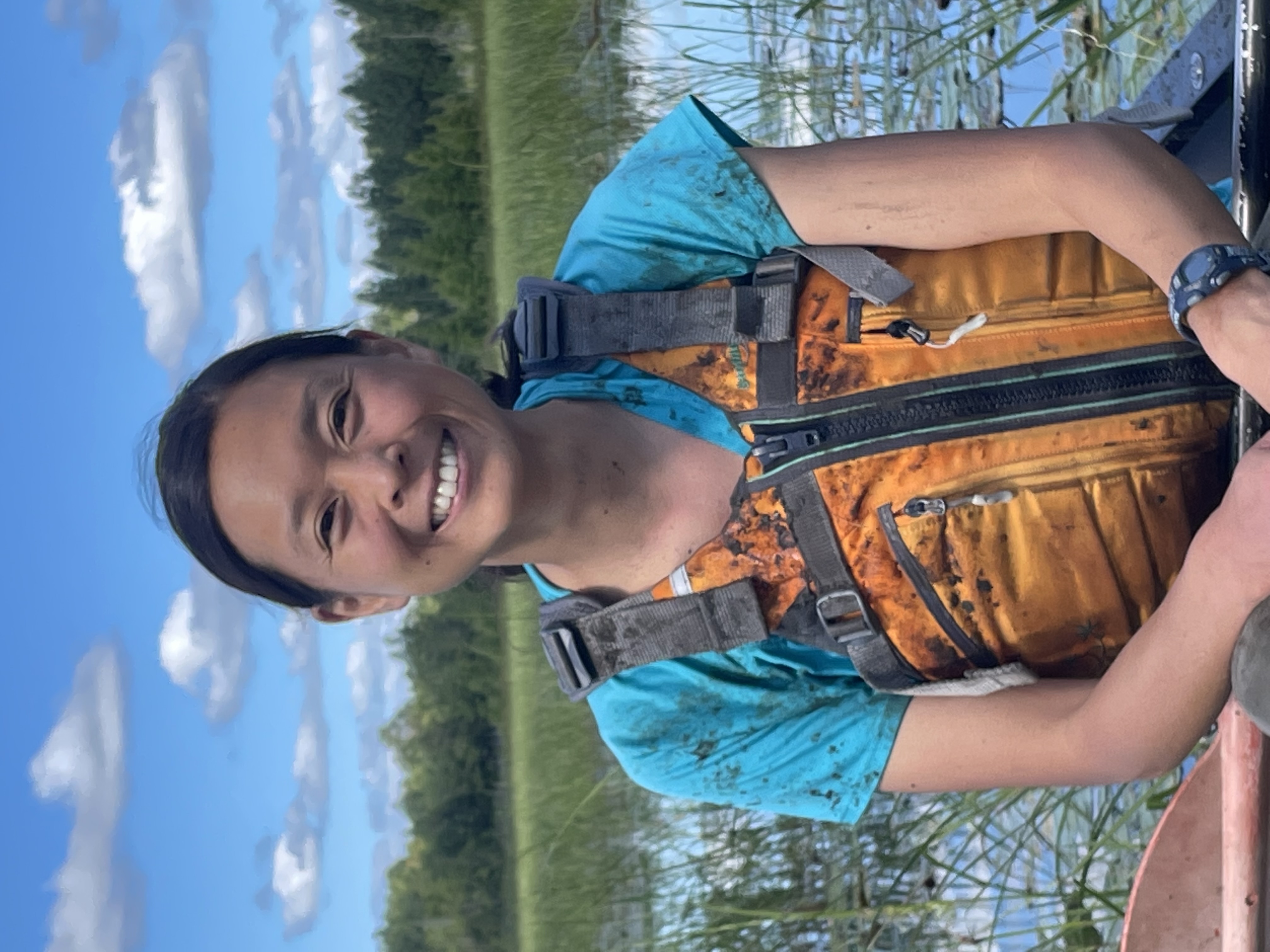 Presented By: Dr. Crystal Ng, Associate Professor, Department of Earth and Environmental Sciences, University of Minnesota. Crystal is a professor at the University of Minnesota-Twin Cities in the Department of Earth and Environmental Sciences. She teaches classes in hydrogeology, including a summer field course in north-central Minnesota. Her research focuses on integrated hydrological computer modeling and fieldwork to understand how shallow groundwater systems respond to climate change, land-use/cover change, and contamination. Recently she has also been conducting community-engaged research, through which she strives to demonstrate the need for collaboration with Indigenous communities, inclusion of other knowledge systems, and work towards environmental justice.
Topic Summary: Groundwater and surface water in lakes are often treated as separate systems, but they are frequently connected. Anyone who has felt a rush of cold water near the lake bottom in summer, or noticed areas that never seem to freeze in winter knows this - those are from groundwater seeps!. This presentation will explain how scientists detect and measure exchanges between groundwater and surface water, and why these connections matter for water quantity and quality in both lakes and groundwater aquifers.
November 5, 2026: Organizing to Sustain Lake Quality
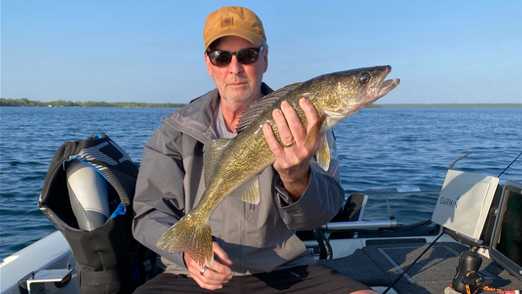 Presented By: Steve Nelson, President, Minnewaska Lake Association is a retired business owner with a mechanical engineering background. A dedicated lakefront owner, avid fisherman, and lifelong pheasant hunter, Steve is passionate about conservation, lake stewardship, and promoting responsible outdoor recreation in Minnesota.
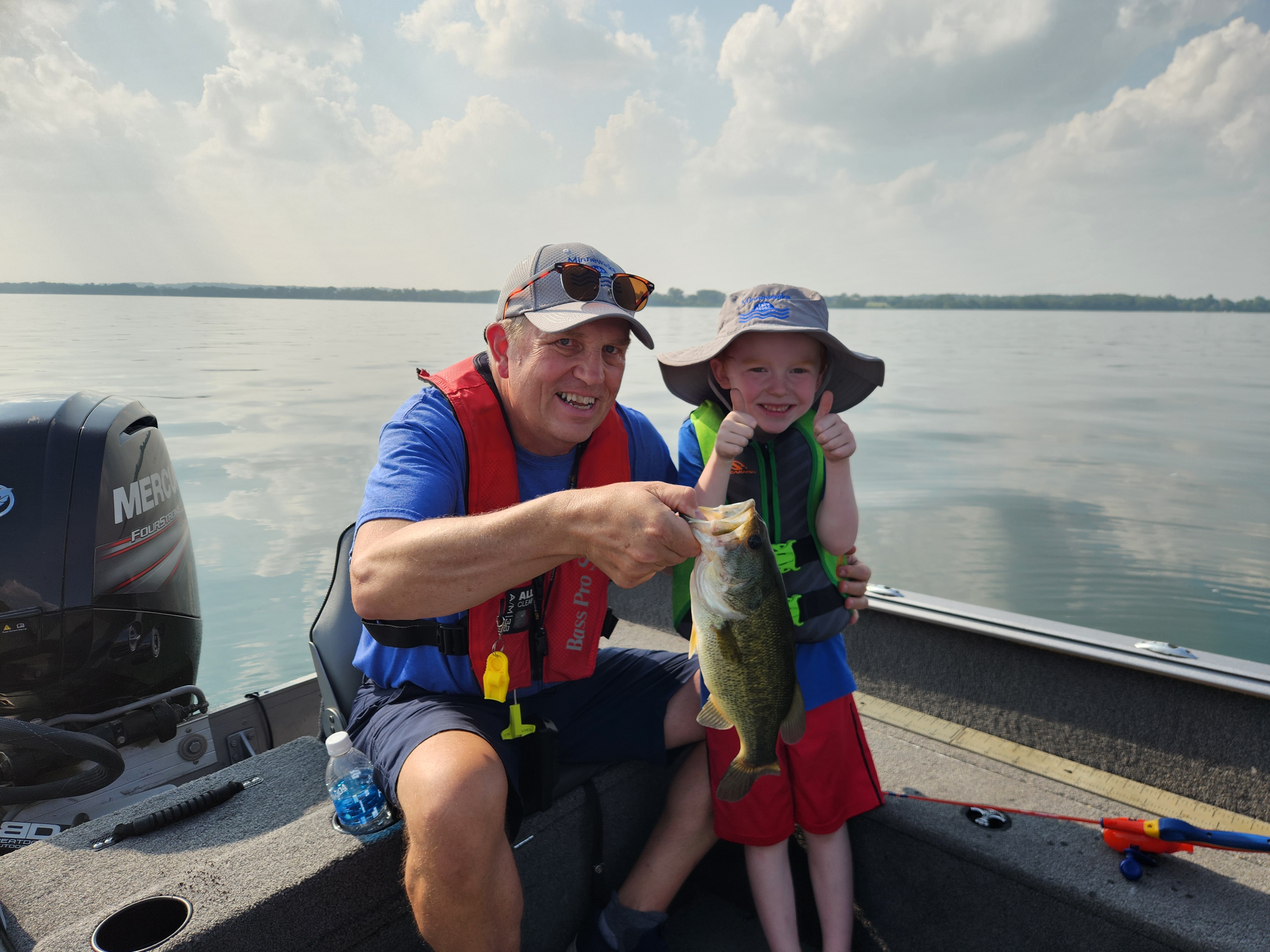 Doug Evink is a board member of the Minnewaska Lake Association, Aquatic Invasive Species Detector, and Starry Trek participant dedicated to protecting Minnesota’s lakes and natural resources. A retired business owner, lifelong hunter and fisherman, MPCA Water Monitor Volunteer, and Fish & Cruise Chair, Doug is passionate about conservation, community engagement, and responsible outdoor recreation.
The Minnewaska Lake Association is a nonprofit organization established in 1992 dedicated to protecting and enhancing the 8,000-acre Lake Minnewaska through aquatic invasive species management, water quality monitoring, conservation projects, fish stocking, safety initiatives, youth engagement, and community outreach. Supported by nearly 400 members, the association also promotes lake stewardship through educational programs, partnerships, and recreational opportunities for residents and visitors.
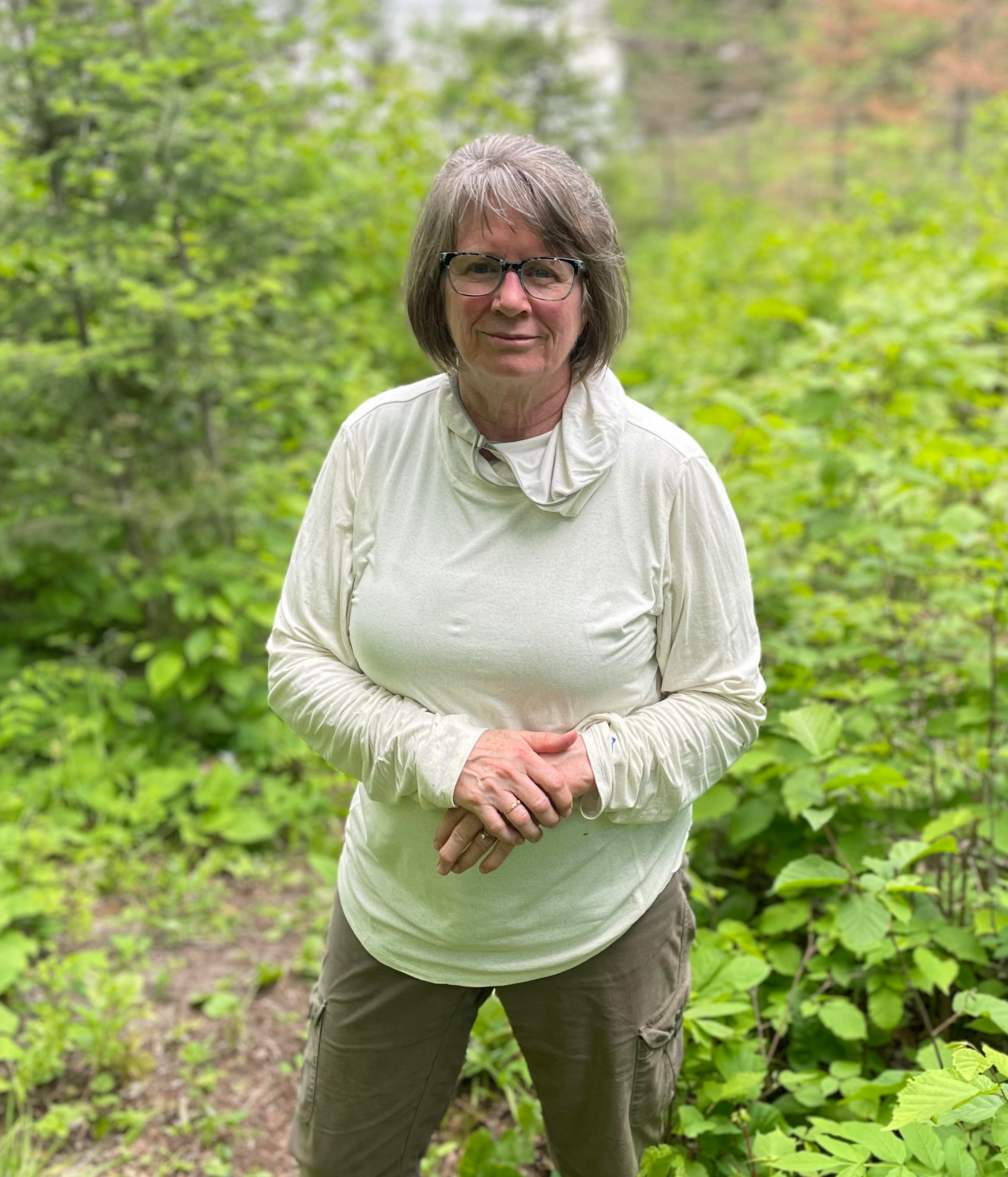 Lori Ptak, President, Vermillion Lake Association. Lori has been a longtime member and active volunteer with the Vermilion Lake Association. Since joining the organization, she has contributed to lake stewardship efforts, including loon counts and shore lunch site maintenance. Following her retirement as a Speech/Language Pathologist in the public schools, Lori joined the association’s board, where she served as Communication Leader. She currently serves as President, continuing her commitment to protecting and preserving Lake Vermilion.
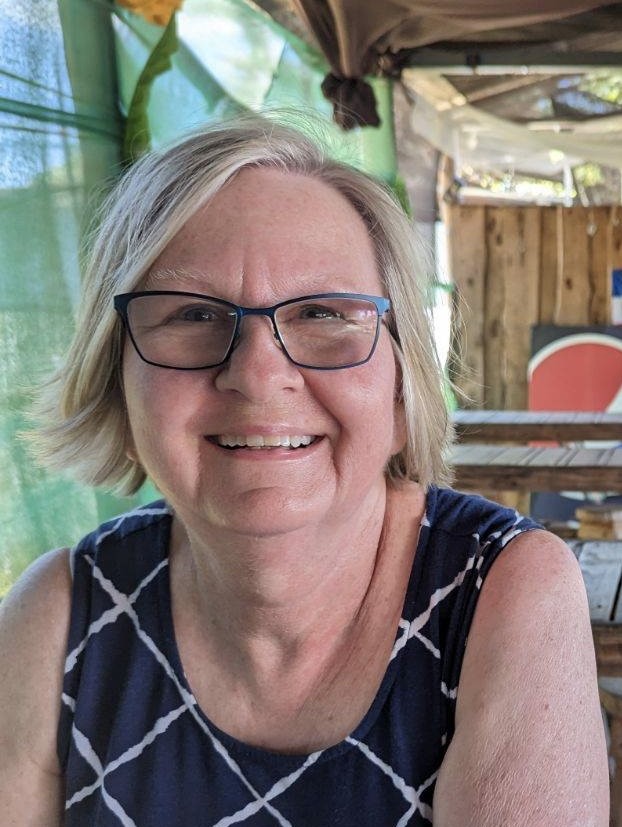 Kathy Nielsen, Former Board member, Pokegama Lake Association (Pine County) is the current co-chair of the Association’s Water Quality Committee. Kathy served 14 years as a city and township clerk where she worked on numerous water quality projects, coordinating with State, County and Local officials to address stormwater and water quality concerns. When Kathy retired and moved to Pokegama Lake in 2016, she brought her previous experience to the lake association, giving focus to the association’s efforts and activities. In 2024, she co-led the PLA’s efforts to implement a pilot project to assess the effectiveness of a new nanobubbles clean-water technology.
Topic Summary: Lake associations in Minnesota play a critical role in protecting water quality, preserving wildlife habitat, and maintaining the overall health of lakes. However, they face growing challenges, including invasive species (like zebra mussels), shoreline development pressure, water pollution from runoff, and climate-related impacts such as changing water levels and algae blooms. Limited funding and volunteer capacity also make it harder to respond effectively.
For lakeshore owners, joining a lake association is one of the most direct ways to protect their investment and the natural environment they value. Membership supports monitoring, prevention efforts, and advocacy, while also giving owners a voice in decisions affecting their lake. Simply put, healthy lakes require active communities—and participation helps ensure these lakes remain clean, usable, and beautiful for years to come.
Learn from our panel of experienced lake association leaders--what can and should be done to protect our lakes and why you should care.

Practical Water Wisdom Series Planning Committee
Cary Bates, Turtle Lake
Gail Blackmer, Deer Lake
John Downing, Itasca Waters Director
Bill & Deb Hagenbuck, Siseebakwet Lake
Rose Lawler, Hubbard County near Nevis
Jan Sandberg, Pokegama Lake/Committee Chair
Glen Bergstrand, small lake north of Duluth
Brian Whittemore, Big Bass Lake, Cass County
Sandra Buttweiller, Host
Bethann Perendy, Itasca Waters Coordinator
Past Video Presentations can be found at the links below:
2022 Water Wisdom Series
2023 Water Wisdom Series
2024 Water Wisdom Series
2025 Water Wisdom Series
This series is presented by Itasca Waters with the support from Minnesota Sea Grant, Itasca Soil and Water Conservation District, Itasca Coalition of Lake Associations, KAXE/KBXE, and Grand Rapids Herald Review.

%20(Custom)%20(1).png)